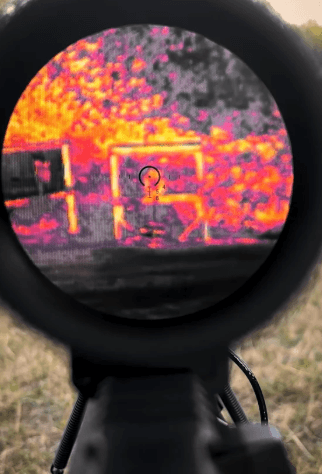

As thermal imaging technology becomes increasingly accessible within the shooting sports market, retailers and distributors need a solid technical understanding to guide effective sourcing and customer education decisions. This primer on thermal imaging scopes for rifles covers the fundamental concepts buyers should understand before entering this category.
How Thermal Imaging Technology Actually Works
Detecting Heat Rather Than Light
Unlike traditional optical scopes, which rely on visible or amplified light, thermal imaging scopes detect infrared radiation, essentially heat, emitted by objects, allowing users to identify targets based on temperature differences regardless of available ambient light.
Converting Heat Signatures Into Visible Images
Internal sensors capture these temperature variations and convert them into a visible image through sophisticated processing algorithms, typically displaying warmer objects in contrasting colors or brightness levels compared to cooler surroundings.
Key Performance Metrics Buyers Should Understand
Sensor Resolution
Sensor resolution significantly affects image clarity and detail, with higher resolution sensors generally providing sharper, more detailed thermal images, though resolution alone does not fully determine overall product performance.
Refresh Rate
Refresh rate determines how smoothly the thermal image updates, particularly important when tracking moving targets, with higher refresh rates generally providing smoother, more usable imagery during dynamic field conditions.
Detection Versus Recognition Range
As previously noted, detection range refers to identifying that a heat source exists, while recognition range refers to actually identifying what that heat source represents, a distinction that significantly affects practical field usability and should be clearly understood by both retailers and end customers.
Practical Applications Within the Hunting and Shooting Community
Nighttime and Low-Light Hunting
Thermal imaging provides significant practical advantages for hunters pursuing game during nighttime hours or extremely low-light conditions where traditional optical scopes, even with light amplification technology, struggle to provide adequate visibility.
Predator and Pest Control Applications
Thermal technology has found significant adoption within predator hunting and agricultural pest control applications, where the ability to detect animals based on heat signature, even through partial vegetation cover, provides meaningful practical advantages.
Common Customer Misconceptions Worth Addressing
Thermal Imaging Is Not the Same as Night Vision
Many customers new to this technology confuse thermal imaging with traditional night vision, which amplifies existing ambient light rather than detecting heat signatures. Understanding this distinction helps set appropriate customer expectations.
Weather Conditions Can Affect Performance
While thermal imaging generally performs well across most conditions, factors like extreme humidity or precipitation can sometimes affect image clarity, an important consideration for customer education around realistic performance expectations.
Retailers seeking additional technical resources and product information can review details through thermal imaging scopes for rifles resources covering available product configurations and specifications.
Regulatory and Legal Considerations
Varying Regulations Across Jurisdictions
Thermal imaging equipment regulations for hunting applications vary considerably between different regions and jurisdictions, making it important for retailers to understand and appropriately communicate relevant local regulations to their customers.
Staying Current With Regulatory Changes
Given that thermal hunting regulations continue to evolve in various jurisdictions, retailers benefit from staying informed about relevant regulatory developments that might affect customer purchasing decisions or product marketing approaches.
See also: Volume Analysis in Crypto Trading
Guiding Customers Toward Appropriate Product Selection
Matching Product Capability to Intended Use Case
Helping customers understand which specific thermal product tier genuinely matches their intended use case, rather than simply upselling to the most expensive available option, supports stronger long-term customer relationships and satisfaction.
Setting Realistic Performance Expectations
Clear, honest communication about realistic detection ranges and performance limitations helps prevent customer disappointment and reduces potential return rates related to unmet expectations.
Frequently Asked Questions
How does thermal imaging differ from traditional night vision technology? Thermal imaging detects heat signatures, while traditional night vision amplifies existing ambient light, making them fundamentally different technologies suited to different conditions and applications.
What factors most significantly affect thermal scope image quality? Sensor resolution and refresh rate both significantly influence image clarity and usability, particularly important when tracking moving targets in field conditions.
Are there specific regulations governing thermal scope use for hunting? Yes, regulations vary considerably by jurisdiction, making it important for both retailers and customers to understand applicable local regulations before purchase and use.
Conclusion
A solid technical understanding of thermal imaging scopes for rifles helps retailers and distributors make more informed sourcing decisions while providing better guidance to their customers. This foundational knowledge supports more effective product positioning and reduces the risk of customer misunderstanding within this technically sophisticated category.