
Plumber services are an essential part of maintaining a smooth and comfortable lifestyle. From ensuring clean water supply to managing waste disposal, a plumber plays a key role in keeping homes and businesses functional. Without proper plumbing systems, daily tasks like cooking, cleaning, and bathing would quickly become challenging.
In today’s fast-paced world, the need for professional plumber services is steadily increasing. With modern infrastructure and advanced water systems, having a skilled plumber is more important than ever to ensure efficiency, safety, and long-term reliability.
Introduction to Plumber
A plumber is a trained professional who works with systems that control water flow and drainage. These systems include pipes, fixtures, and appliances that are vital for everyday use.
Plumbers are responsible for installing new systems, repairing faults, and maintaining existing setups. Their work ensures that water systems operate efficiently and safely at all times.
See also: The Evolution of Cyber Warfare in the Digital Age
What Is a Plumber?
Definition and Role
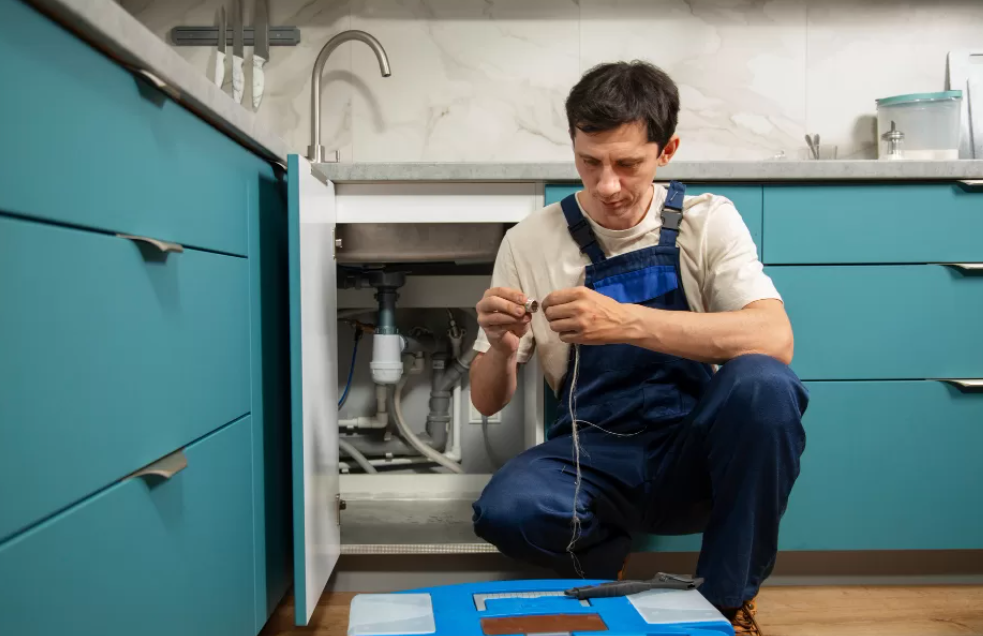
A plumber is a skilled technician who installs, repairs, and maintains water supply and drainage systems. Their work ensures proper water flow and safe disposal of waste.
Types of Plumbing Work
Plumbing includes a wide range of services such as pipe installation, leak repair, drain cleaning, and fixture replacement. Plumbers also handle water heaters and sanitation systems.
Why Plumber Services Are in Demand
Growth in Construction
As new buildings are developed, the need for plumber services increases. Every structure requires a properly installed plumbing system.
Need for Clean Water
Access to safe and clean water is essential. Plumbers ensure that water systems remain hygienic and free from contamination.
Emergency Situations
Issues like burst pipes or blocked drains require immediate attention, making plumber services highly valuable.
Key Features of Professional Plumber Services
Use of Modern Tools
Professional plumbers use advanced equipment such as leak detectors and pipe inspection cameras to identify problems quickly.
Skilled Expertise
A trained plumber has the knowledge to handle different types of plumbing systems with precision.
Wide Range of Services
From small repairs to large installations, a plumber offers comprehensive solutions for all plumbing needs.
Benefits of Hiring a Plumber
Time Efficiency
A professional plumber can quickly diagnose and fix issues, saving time and effort.
Cost Savings
Timely repairs prevent major damage, reducing long-term expenses.
Safety and Reliability
Plumbers follow safety standards to ensure all work is completed correctly.
How a Plumber Enhances Everyday Living
Smooth Water Flow
A well-maintained system ensures consistent water pressure for daily activities.
Proper Drainage
Plumbers ensure that waste systems function efficiently, preventing blockages.
Improved Comfort
Modern plumbing systems installed by a plumber enhance convenience and ease of living.
Content Quality and Professional Standards
Certified Professionals
A reliable plumber is trained and certified, ensuring quality service.
Compliance With Regulations
Professional plumbers follow industry standards for safe and durable work.
Customer Trust
Consistent performance and transparency help build trust in plumber services.
Plumber vs Other Repair Options
DIY Methods
While minor issues can be handled at home, complex problems require a professional plumber to avoid mistakes.
Handyman Services
A handyman may handle basic tasks, but a plumber has specialized knowledge for more complex systems.
Tips for Choosing the Right Plumber
Verify Credentials
Always hire a licensed plumber to ensure high-quality work.
Check Reviews
Customer feedback can help you find a reliable plumber.
Compare Prices
Request quotes from different plumbers to get fair pricing.
Schedule Maintenance
Regular inspections by a plumber can prevent major issues.
Future Trends in Plumber Services
Smart Plumbing Technology
New systems allow monitoring of water usage and early detection of leaks.
Eco-Friendly Solutions
Plumbers are adopting water-saving technologies and sustainable practices.
Growing Demand
As infrastructure expands, the need for skilled plumber professionals continues to rise.
FAQs About Plumber
What does a plumber do?
A plumber installs, repairs, and maintains water supply and drainage systems.
When should I call a plumber?
You should call a plumber when you notice leaks, blockages, or low water pressure.
Can a plumber install new plumbing systems?
Yes, a plumber can design and install complete systems for homes and businesses.
Are plumber services available in emergencies?
Many plumbers offer emergency services for urgent issues.
How often should plumbing be checked?
It is recommended to have a plumber inspect your system once a year.
Is hiring a plumber necessary?
Yes, a professional plumber ensures safe, efficient, and long-lasting solutions.
Conclusion
A plumber is an essential professional who ensures that water systems function properly and efficiently. Their expertise supports hygiene, comfort, and safety in daily life. As technology evolves and demand increases, plumber services continue to play a vital role in modern living. Choosing a skilled plumber and maintaining regular inspections can help prevent costly problems and ensure a reliable plumbing system for years to come.